
Community
Teen arrested as second suspect in deadly northeast Columbus shooting
By Sofia Patel
Advertisement · Why this ad?
Lila Washington, a graduate of the University of Cincinnati with a degree in Fine Arts, has spent the last 7 years covering arts and community events in Columbus for various publications. She is deeply invested in local culture and is known for her vibrant storytelling.
More from Lila →
The quiet streets of west Columbus were shattered one evening last week when gunfire erupted in a neighborhood known for its tight-knit families and community faith. Neighbors gathered in hushed whispers, eyes wide with concern, as news spread of a tragic shooting that claimed a young life and left a community mourning. At the heart of this tragedy is Jaycier C. Armstrong, a 16-year-old boy now at large, whose actions have ignited a call for justice and community resilience.
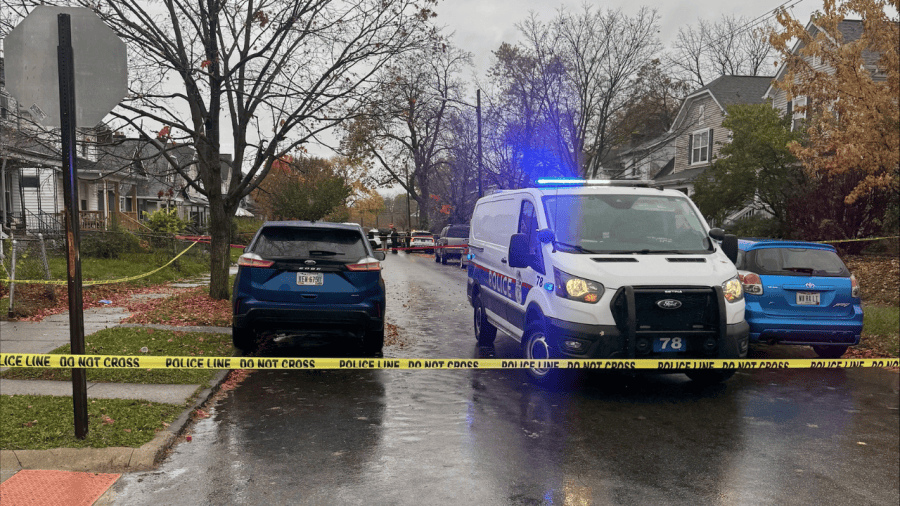
On the evening of Thursday, police responded to reports of gunfire at a residential intersection in west Columbus, an area that has historically been a hub for working-class families and long-standing immigrant communities. This neighborhood, situated just west of downtown Columbus, is characterized by modest single-family homes, local small businesses, and a vibrant mix of cultures. Many residents have lived there for decades, valuing the sense of community and safety that once defined their streets.
The incident unfolded amid a backdrop of ongoing challenges faced by the neighborhood, including economic disparities, youth unemployment, and limited access to mental health resources. The shooting, which started as a dispute between teenagers, quickly escalated into violence. Witnesses recall hearing multiple gunshots and seeing a young male fleeing the scene, leaving behind a scene of chaos and grief. The victim, a 17-year-old boy whose identity has not been publicly released, was described by friends and family as a promising young man involved in local youth sports and community activities. His death has sent shockwaves through the community, reigniting conversations about youth violence and the importance of intervention programs.
Detectives believe Armstrong was involved in the altercation and is actively evading arrest, prompting a city-wide manhunt. The incident underscores the urgent need for preventative measures, such as community policing, youth engagement initiatives, and conflict resolution programs tailored for at-risk youth. Local officials have expressed concern that without comprehensive strategies, tragedies like this will continue to occur in neighborhoods that are already struggling with systemic issues.
In neighborhoods where families gather around church services, youth programs, and neighborhood watch meetings, news of the shooting has struck a nerve. Local pastors and community leaders have called for calm and prayer, emphasizing the importance of faith and family in overcoming violence. “Our children need positive role models and strong homes rooted in faith,” said Pastor James Lee of the nearby First Hope Baptist Church, who has been actively involved in youth outreach for over two decades.
Many residents express heartbreak over the loss of a young life and worry about the safety of their own children. Maria Sanchez, a mother of three who has lived in the neighborhood for over 15 years, shared, “It’s heartbreaking to see our youth caught in such destructive situations. We need more programs that teach conflict resolution and provide safe spaces for our kids to grow and learn. Families built on faith and commitment can be a strong shield against violence.”
The community’s response underscores a collective desire to nurture a safer, more supportive environment where children can thrive without fear. Local organizations have begun mobilizing resources to provide counseling, mentorship, and after-school activities aimed at diverting youth from violence. Community centers are planning special events to promote unity and healing, recognizing that rebuilding trust and safety takes time and sustained effort.
Law enforcement officials are urging anyone with information about Armstrong’s whereabouts to come forward. A reward of $2,500 has been offered for tips leading to his arrest, reflecting the community’s urgent call for justice. The Columbus Division of Police has assured residents that they are working tirelessly to locate the suspect and bring closure to this heartbreaking case. Meanwhile, local organizations are rallying to provide support for the victim’s family and to reinforce efforts aimed at reducing youth violence through mentorship and community engagement.
Looking ahead, community leaders are advocating for increased investment in youth programs, mental health services, and family support initiatives. They believe that addressing the root causes of violence requires a unified effort rooted in faith, hope, and community strength. As families gather for Sunday services and neighborhood meetings, the message remains clear: unity, faith, and a shared commitment to protecting our children are the keys to healing and preventing future tragedies.
In addition to immediate police efforts, local nonprofits and faith-based organizations are stepping up their outreach. For example, the Columbus Youth Alliance has announced plans to expand its mentoring programs, especially targeting neighborhoods like west Columbus where youth violence has been a persistent concern. Their director, Marcus Allen, emphasized, “We need to intervene early, build trust, and give our young people hope for a better future.”
Furthermore, city officials are considering proposals to increase funding for community policing initiatives, which aim to foster stronger relationships between law enforcement and residents. Community forums scheduled for the coming weeks will provide residents a platform to voice concerns, suggest solutions, and collaborate directly with police officers and city planners. These efforts are seen as vital steps toward restoring safety and confidence in the neighborhood.
This incident is not an isolated event but part of a broader pattern affecting many similar neighborhoods across Columbus. West Columbus, with its diverse population and historically resilient community, faces unique challenges that demand tailored responses. For many residents, this tragedy has underscored the urgent need for systemic change—addressing poverty, educational disparities, and access to mental health care.
Local community leaders, including the West Columbus Neighborhood Association, have long advocated for more resources and a holistic approach to youth violence prevention. Their president, Linda Martinez, noted, “Our community has faced hardships for years, but we are resilient. What we need now is sustained investment and genuine partnership from city agencies, nonprofits, and faith groups to turn the tide.”
As the search for Jaycier C. Armstrong continues, the community remains hopeful that justice will be served. The police department has increased patrols in the area and is working with schools, churches, and community groups to keep young people engaged and safe. The victim’s family, meanwhile, is receiving support from local grief counselors and faith leaders, who emphasize the importance of coming together in times of crisis.
In the coming weeks, community-led initiatives are expected to focus on youth empowerment, conflict resolution workshops, and neighborhood safety assessments. Local schools are also reviewing their safety protocols and considering additional measures to protect students. The hope is that through combined efforts, the community can prevent future tragedies and foster an environment where all children can grow up free from violence.
For residents eager to help, several resources are available. The Columbus Police Department’s website offers updates on the investigation, and local nonprofits like Cbus Families for Safe Communities provide avenues for volunteering and donations. The community’s resilience and active engagement are crucial in turning grief into action, ensuring that west Columbus remains a place where families can feel secure and children can thrive.
By Sofia Patel

By Sofia Patel
By Sofia Patel

By Lila Washington