
Schools
NFL star's former middle school shows support for his recovery
By Maya Chen
Advertisement · Why this ad?
Carmen Reyes has over 15 years of experience covering local and state government for outlets like the Columbus Dispatch and NPR's Ohio affiliate. She holds a Bachelor’s degree in Political Science from Ohio State University and has been recognized with several awards for her investigative reporting on public policy issues affecting the community.
More from Carmen →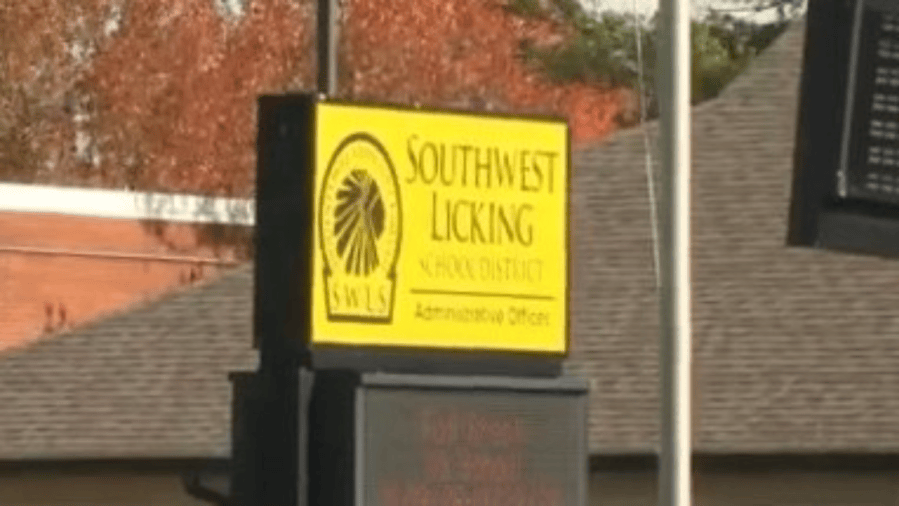
On a chilly November evening in Pataskala, parents and teachers gathered in the school auditorium, eyes fixed on the results that would shape their children's education for years to come. The community’s hopes for new school facilities and improved programs were dashed when voters decisively rejected two key tax proposals. For families who rely on the stability of a strong, faith-driven community, this setback raises urgent questions about the future of Southwest Licking Schools and the impact on local children’s daily lives.
On Election Day, residents of the Southwest Licking Local School District cast their ballots on two critical tax issues aimed at funding school improvements and operational costs. Despite significant campaign efforts and community outreach, both measures failed to garner the necessary support, with a majority voting against the proposals. The rejection leaves the district facing difficult choices about how to maintain quality education without the additional funding they had hoped for.
The district’s superintendent, Dr. Lisa Thompson, acknowledged the setback but emphasized a need for reflection. “Any time you have an issue on the ballot, and it fails, it's time for reflection and it's time to explore alternative solutions,” she stated. The district now faces a potential restructuring of its budget, which could include delaying maintenance projects and reducing staff, ultimately affecting the daily routines of students and teachers alike.
One immediate concern is how the district plans to manage its calendar. Without the anticipated revenue, officials are considering splitting the school day for some students, a move that could see elementary and middle schoolers attending in shifts or experiencing shortened days. This approach aims to stretch limited resources but risks disrupting the stability that families value, especially those with strong commitments rooted in faith and community bonds.
The community’s response has been mixed, with many parents expressing disappointment but also understanding of the financial realities. “We believe in our schools and want the best for our children, but we also have to be realistic about what we can afford,” said Maria Lopez, a mother of three and active member of the local church. “Our families cherish strong marriages and stable homes, and that begins with a good education, but we also need to be responsible stewards of our resources.”
Faith leaders in the district have weighed in, emphasizing the importance of community unity and responsible governance. Pastor John Miller of First Baptist Church remarked, “We must come together to support our schools, but we also recognize the need for fiscal discipline. Our children’s futures depend on how we respond now, with faith and commitment to our shared values.” Many see this moment as a test of community resilience and a call to rally around families striving to maintain their faith and stability amid financial uncertainty.
With the rejection of the tax measures, district officials are exploring alternative funding strategies. These may include seeking grants, increasing community partnerships, or implementing cost-saving measures that do not compromise the quality of education. Superintendent Thompson has vowed to keep transparency and community involvement at the forefront of any new plans, recognizing that local support remains vital.
In the broader context, the district’s financial challenges reflect a larger trend seen across Ohio, where many districts face similar hurdles due to stagnant state funding and economic pressures. The economic downturn caused by recent national and state fiscal policies has affected local economies, including Pataskala and surrounding areas, making it harder for families to support additional taxes. Many residents have expressed concern about the long-term implications for their children’s futures, especially in a community where faith and family are central to daily life.
For families, the immediate concern is how these changes will affect their children’s learning environment. Many are calling for open forums and town hall meetings to voice their concerns and suggest solutions. The district’s leadership acknowledges the importance of maintaining a stable, faith-filled community where families can thrive together, rooted in the American dream of opportunity and strong marriages.
Looking ahead, the district hopes to rebuild trust and foster a sense of shared purpose. As community members rally to support their schools, they reaffirm their commitment to faith, family, and community values. Together, they aim to navigate these financial challenges without sacrificing the stability that has long defined Southwest Licking’s schools and neighborhoods.
Ultimately, this setback underscores the importance of responsible stewardship and community engagement. While the road ahead may be uncertain, the resilience of families committed to faith and education will be the cornerstone of future success for the district and its children.
Several community leaders have stepped forward to address the situation, emphasizing the importance of unity and innovative thinking. Among them is Mayor John Carter of Pataskala, who has been a vocal supporter of local schools. Carter, a lifelong resident and former teacher, understands the vital role education plays in community development. He has called for a series of town hall meetings to gather input from residents and explore new avenues for funding.
Local business owners, such as Sarah Jenkins of Jenkins Hardware, have also expressed concern but remain optimistic. Jenkins noted, “Our community has faced tough times before, and we’ve always come together. We’re looking into partnerships with local businesses and nonprofits to support education initiatives.” Such collaborations could include sponsorships, grants, or volunteer programs that help bridge the funding gap.
For many families, the failure of the tax measures hits close to home. The Thompsons, a family active in their church and community, have two children in the district. Sarah Thompson, a stay-at-home mom, shared, “We’re worried about how this will affect my kids’ daily routines. They love their teachers and their friends, and we want to keep things stable. But we know we have to be adaptable.”
Similarly, the Johnson family, who recently moved to Pataskala for its strong community and faith-based environment, expressed their hopes that the district will find creative solutions. “We chose Pataskala because of its values,” said Mark Johnson. “We’re committed to supporting our schools, but we also hope the district will be transparent about its plans moving forward.”
The district’s leadership has committed to a comprehensive review of their financial strategies. They are exploring grants from state and federal sources, as well as private foundations focused on education. Superintendent Thompson has emphasized that community input will be central to shaping any new approach, and she encourages residents to participate actively in upcoming forums.
In the coming months, the district plans to hold a series of town hall meetings and community forums to discuss potential solutions and gather feedback. The goal is to develop a sustainable plan that balances fiscal responsibility with the district’s commitment to quality education. The district also plans to communicate regularly through newsletters, social media, and local media outlets to keep families informed about progress and opportunities for involvement.
While the setback is significant, many community members see it as an opportunity to come together and innovate. As Pataskala and the surrounding communities continue to rebuild and adapt, their shared faith and commitment to their children’s future will remain guiding principles. The district’s resilience and the community’s unity will determine how effectively they can turn this challenge into a catalyst for positive change.
By Maya Chen
By Lila Washington

By Lila Washington

By Elena Trujillo